dining room or there is nothing история
Dining Room or There is Nothing Meme
Popular:
Dining Room or There is Nothing

Dining Room or There is Nothing refers to a minute long short film that features a girl sitting at a dining room table, and things get weirder from there.
Origin
The short film was created by David B. Earle and uploaded to his YouTube channel in 2006. It depicts a gray skinned girl sitting at the dining room table with spoon in hand. In the background, a fire is visible through the window. She starts off with her eyes closed, before opening them, where she proceeds to talk nonsense to the viewer (this phrase is actually backwards). As she does this, the camera zooms slowly out down the table. As we move back, the girl faceplants in her bowl. After a while the camera stops moving, and it lingers on the scene for a bit until the scene starts reversing. The girl ends up getting back to her previous position and speaks clearly «There is nothing». She then closely her eyes again, ending the film.
The film was meant to show a scenario that can be looped infinitely.
Spread
The video was a viral hit. On his website, Earle states that the download file for the film has over 3,000 downloads now.
In recent years, the video has been the subject of reaction videos, explanation videos, and general parodies. Many videos related to scary videos have brought up this video quite a bit, too.
Dining room or there is nothing история

Exercise 25. Translate into English.
I. Утро было холодное и ветреное. 2. Был теплый летний вечер. 3. Настала ночь, и путешественники решили отдохнуть. 4. Он пишет с утра до ночи. 5. Он переночевал у приятеля. 6. Он провел бессонную ночь и был очень бледен. 7. Приятно поехать за город в ясный летний день. 8. И днем и ночью он думал об одном. 9. Было прекрасное утро — солнечное и тихое. 10. Было раннее утро, и все в доме еще спали.
1. Morning was cold and windy. 2. It was warm summer evening. 3. Began night and travelers decided to rest. 4. He has been writing from morning till night. 5. He slept at his friend`s place. 6. He had a sleepless night and was a very pale. 7. It is pleasure go to the country at sunny summer day. 8. Day and night he is thinking on the same thing. 9. It was a lovely morning – clear and calm. 10. It was early in the morning and all still rest in the house.
Exercise 26. Insert articles where necessary.
(B) Names of seasons.
1. It was __ winter, and __ night of bitter cold. (Wilde) 2. You see, __ winter was __ very bad time for me, and I really had no money at all to buy __ bread with. (Wilde) 3. It was __ very dark evening for __ summer. (E. Bronte) 4. __ summer drew to __ end, and __ early autumn. (E. Bronte) 5. I wondered if __ autumn would come upon us two months before her time. (Du Майrier) 6. ft was __ lovely evening in __ spring time of __ year; and in. __ soft stillness of __ twilight, all __ nature was very calm and beautiful. __ day had been fine and warm; but at __ coming on of __ night, __ air grew cool. (Dickens) 7. It was pretty late in __ autumn of __ year when __ declining sun, struggling through __ mist which had obscured it all day, looked brightly upon __ little Wiltshire village. (Dickens) 8. There was going to be __ election soon, we all knew: this was. __ spring of 1955. (Snow) 9. It was __ cold fall and __ wind came dowd from __ mountains. (Hemingway) 10. It was __ fine day, early in __ spring, and we were in __ good humour. (Maugham)
1. It was winter, and night of bitter cold. (Wilde) 2. You see, winter was very bad time for me, and I really had no money at all to buy bread with. (Wilde) 3. It was very dark evening for summer. (E. Bronte) 4. Summer drew to the end, and early autumn. (E. Bronte) 5. I wondered if autumn would come upon us two months before her time. (Du Майrier) 6. It was lovely evening in spring time of year; and in a soft stillness of twilight, all nature was very calm and beautiful. A day had been fine and warm; but at coming on of night, the air grew cool. (Dickens) 7. It was pretty late in autumn of year when a declining sun, struggling through the mist which had obscured it all day, looked brightly upon a little Wiltshire village. (Dickens) 8. There was going to be election soon, we all knew: this was the spring of 1955. (Snow) 9. It was cold fall and __ wind came down from the mountains. (Hemingway) 10. It was a fine day, early in spring, and we were in a good humour. (Maugham)
Exercise 27. Translate into English.
1. Была ранняя весна. 2. Была дождливая, холодная осень. 3. Осень была исключительно теплая; стояла ясная, солнечная погода. 4. Мое любимое время года — лето. 5. Лето 1941 года было очень жаркое.
1. It was an early spring. 2. It was a rainy and cold fall. 3. Autumn was extraordinary warm: it was a sunny and clear weather. 4. My favorite season is summer. 5. The summer of 1941 was very hot.
Exercise 28. Insert articles where necessary.
(C) Bed, school, prison, town.
1. It was eleven o’clock. Annette was still in __ bed. (Murdoch) 2. Stefan, who had been sitting on the edge of __ bed, came near to her and smiled for __ first time. (Murdoch) 3. May comb was __ old town. (Lee) 4. Dolores said nothing all __ way to __ town. (/. Shaw) 5. Yes, he and my brother had been to __ school together. (Snow) 6. Before that she had taught history in __ girls’ school. (Murdoch) 7. __ school was not __ particularly good one. (Conan Doyle) 8. I never knew __ lawyer yet who didn’t threaten to put me in __ prison sooner or later. (Shaw) 9. Steger next visited __ county jail, close on to five o’clock, when it was already dark. (Dreiser) 10. In all probability he was already in — town. (Austen) 11. Among other public buildings in __ certain town. there is one anciently common to most towns, great or small. — __ workhouse. (Dickens) 12. After leaving __ school, I became clerk to her father. (Lindsay) 13. She graduated from __ Pedagogical Institute __ year ago and now she is working at __ school in __ village near Leningrad. 14. __ prison where Little Dorrit was born was called «The Marshalsea». 15. I haven’t done anything that warrants my running away or going to __ prison, either. I’m merely going there to save time at __ present. (Dreiser) 16. It was in my walk that night, and in __ sleepless hours which followed when I lay in. __ bed, that __ thought first occurred to me which afterwards shaped itself into __ settled resolution* (Dickens) 17. He told with __ perfect truth. how he had in time been released from __ prison. (Dickens) 18. «When you think of me at all, John, let it only be as __ little child you have seen grow up in __ prison. (Dickens) 19. You take your man home, Mrs. Dubedut, and get him to __ bed before eleven. (Shaw)20. I’m going to be out of __ town for a few days. So I may not even see you again. (Faulkner) 21. Unless we can give __ rector. __ bed he had nowhere to lay his head this night. (Shaw) 22. Who could be in — _ prison __ quarter of __ century, and be prosperous! (Dickens)
(C) Bed, school, prison, town.
1. It was eleven o’clock. Annette was still in bed. (Murdoch) 2. Stefan, who had been sitting on the edge of bed, came near to her and smiled for the first time. (Murdoch) 3. May comb was an old town. (Lee) 4. Dolores said nothing all the way to town. (/. Shaw) 5. Yes, he and my brother had been to school together. (Snow) 6. Before that she had taught history in girls’ school. (Murdoch) 7. The school was not particularly good one. (Conan Doyle) 8. I never knew a lawyer yet who didn’t threaten to put me in prison sooner or later. (Shaw) 9. Steger next visited a county jail, close on to five o’clock, when it was already dark. (Dreiser) 10. In all probability he was already in town. (Austen) 11. Among other public buildings in a certain town. there is one anciently common to most towns, great or small. — the workhouse. (Dickens) 12. After leaving school, I became clerk to her father. (Lindsay) 13. She graduated from Pedagogical Institute year ago and now she is working at school in the village near Leningrad. 14. The prison where Little Dorrit was born was called «The Marshalsea». 15. I haven’t done anything that warrants my running away or going to prison, either. I’m merely going there to save time at present. (Dreiser) 16. It was in my walk that night, and in the sleepless hours which followed when I lay in bed, that thought first occurred to me which afterwards shaped itself into settled resolution* (Dickens) 17. He told with perfect truth. how he had in time been released from prison. (Dickens) 18. «When you think of me at all, John, let it only be as a little child you have seen grow up in prison. (Dickens) 19. You take your man home, Mrs. Dubedut, and get him to bed before eleven. (Shaw)20. I’m going to be out of town for a few days. So I may not even see you again. (Faulkner) 21. Unless we can give a rector. The bed he had nowhere to lay his head this night. (Shaw) 22. Who could be in prison a quarter of century, and be prosperous! (Dickens)
Exercise 29. Translate into English.
1. Она легла спать в три часа и встала с головной болью. 2. Почему вы так поздно вернулись из города? 3. Женщина подошла к кровати и накрыла ребенка одеялом. 4. Она плохо себя чувствовала и провела весь день в постели. 5. Сегодня мне надо пойти в школу на родительское собрание. 6. Я провела все лето в городе. 7. Когда сестра окончила школу, она поступила в консерваторию. 8. Мы провели несколько дней в маленьком городке на Кавказе. 9. Мы живем на даче, но часто приезжаем в город. 10. О. Генри был обвинен в краже, и, хотя он был невиновен, его посадили в тюрьму. Он сидел в тюрьме три года.
1. She went to bed at three o`clock and woke up with headache. 2. Why did you return so late from town? 3. Woman came to the bead and covered a child with the blanket. 4. She was a sick and spent all day at bed. 5. I have to go to school today on parent`s meeting. 6. I spent all summer in town. 7. When my sister had finished school she come to the music school. 8. We spent a few days in a small town at Caucasus. 9. We live in the country, but come to town very often. 10. O`Henry was blamed in theft and, although he wasn`t guilty, he was prisoned. He spent in prison for a three years.
Exercise 30. Insert articles where necessary.
(D) Names of meals.
1. He said he had letters to write and if I would allow him, would remain in his room till __ dinner was ready. (Jerome K. Jerome) 2. He came in one morning when I was having — breakfast on __ terrace of __ hotel and introduced himself. (Maugham) 3. I saw to it that he had __ good dinner. (Jerome K. Jerome) 4. We had __ cold bacon for __ lunch that day. There was not much of it. I took it to be __ bacon we had not eaten for — breakfast. But on __ clean dish with parsley it looked rather neat. (Jerome K. Jerome) 5. Mr. Clay settled back in his chair, savoring his drink, expecting __ good dinner. (/. Shaw) 6. __ dinner was very sound. (Bennett) 7. Come and have __ tea on __ deck. (Bennett) 8. They had __ supper in __ silence. (Murdoch) 9. __ little expedition down __ river was delightful, and __ little room overlooking __ river into which they were shown for __ dinner was delightful. (Dickens) 10. In __ tiny dining-room, we were having __ excellent dinner, cooked by Mary Osbaldiston-.. (Snow) 11. She. began to dress for __ dinner to which she had been invited. (Austen) 12. When he arrived. __ famous Contract was at __ dinner. (Dreiser) 13. When they arrived and mounted __, stairs, Stefan behaved as usual, and soon they were eating. __ supper which Jan had prepared. (Murdoch) 14. He assisted her. in setting forth __ neat luncheon, consisting of __ cold chicken, __ ham and __ tarts. (Ch. Bronte) 15. __ dinner was __ grand one. (Austen) 16. I shall be glad to see you at __ lunch at half past one. (Shaw) 17. He had given me __ dinner, and __ good one. (Snow)
(D) Names of meals.
1. He said he had letters to write and if I would allow him, would remain in his room till dinner was ready. (Jerome K. Jerome) 2. He came in one morning when I was having breakfast on a terrace of hotel and introduced himself. (Maugham) 3. I saw to it that he had a good dinner. (Jerome K. Jerome) 4. We had a cold bacon for lunch that day. There was not much of it. I took it to be bacon we had not eaten for breakfast. But on a clean dish with parsley it looked rather neat. (Jerome K. Jerome) 5. Mr. Clay settled back in his chair, savoring his drink, expecting a good dinner. (/. Shaw) 6. Dinner was very sound. (Bennett) 7. Come and have tea on deck. (Bennett) 8. They had supper in silence. (Murdoch) 9. A little expedition down river was delightful, and a little room overlooking river into which they were shown for dinner was delightful. (Dickens) 10. In a tiny dining-room, we were having an excellent dinner, cooked by Mary Osbaldiston-.. (Snow) 11. She. began to dress for dinner to which she had been invited. (Austen) 12. When he arrived. a famous Contract was at dinner. (Dreiser) 13. When they arrived and mounted stairs, Stefan behaved as usual, and soon they were eating supper which Jan had prepared. (Murdoch) 14. He assisted her. in setting forth a neat luncheon, consisting of cold chicken, ham and tarts. (Ch. Bronte) 15. Dinner was a grand one. (Austen) 16. I shall be glad to see you at lunch at half past one. (Shaw) 17. He had given me dinner, and a good one. (Snow)
Exercise 31. Translate into English.
I. Мы позавтракали в восемь часов. 2. Завтрак состоял из хлеба с маслом, сыра и кофе. 3. Не опаздывайте к обеду. 4. Обед еще не готов. 5. Наши знакомые пригласили нас на обед.
1. We had breakfast at eight o`clock. 2. Breakfast consisted of bread and butter, cheese and coffee. 3. Don`t be late at dinner. 4. Dinner hasn`t already prepared. 5. We were invited at dinner by our friends.
Exercise 32. Insert articles where necessary. (Articles with nouns modified by certain adjectives, pronouns, and numerals.)
(A) Most.
1. You have had __ most distinguished career. (Snow) 2. This was __ most painful thought of all. (Murdoch) 3. He had put himself in __ most unsatisfactory position, politically and socially. (Dreiser) 4. She was __ most beautiful young girl; __ most beautiful girl he had ever seen. (Bennett) 5. __ most of __ women had flowers or little black feathers sticking up in their hair. (Glyn) 6. I started relating __ most interesting anecdote, but was somewhat surprised to observe. that nobody was paying __ slightest attention io me whatever. (Jerome K. Jerome) 7. __ news he had conveyed to her would have terrified __ most women. (Cronin) 8. He was __ man of __ most subtle and refined intellect. __ man of __ culture, __. charm and __ distinction. One of __ most intellectual men I ever met. (Wilde) 9. Her life held so little of __ real charm; and Aileen Butler was __ most significant element of __ romance in it. (Dreiser) 10. Youth in her South Carolinian home had been simple and self-reliant; and unlike __ most American girls, she had not had too good __ time. (Galsworthy) 11. It was __ most beautiful room. It was _ most beautiful room in — house. (Du Maurier) 12. Gentleman, he was __ most excellent man, __ ‘ most gentle, tender and estimable man, with __ simplicity of __ child. (Dickens) 13. __ Norman Conquest is one of __ most important events in __ English history, and it had __ greatest influence on __ history of __ language.
(A) Most.
1. You have had a most distinguished career. (Snow) 2. This was the most painful thought of all. (Murdoch) 3. He had put himself in the most unsatisfactory position, politically and socially. (Dreiser) 4. She was a most beautiful young girl; the most beautiful girl he had ever seen. (Bennett) 5. The most of the women had flowers or little black feathers sticking up in their hair. (Glyn) 6. I started relating the most interesting anecdote, but was somewhat surprised to observe. that nobody was paying a slightest attention to me whatever. (Jerome K. Jerome) 7. The news he had conveyed to her would have terrified a most women. (Cronin) 8. He was a man of the most subtle and refined intellect. The man of culture, charm and distinction. One of the most intellectual men I ever met. (Wilde) 9. Her life held so little of real charm; and Aileen Butler was the most significant element of romance in it. (Dreiser) 10. Youth in her South Carolinian home had been simple and self-reliant; and unlike a most American girls, she had not had too good time. (Galsworthy) 11. It was the most beautiful room. It was the most beautiful room in the house. (Du Maurier) 12. Gentleman, he was the most excellent man, the most gentle, tender and estimable man, with simplicity of the child. (Dickens) 13. Norman Conquest is one of the most important events in an English history, and it had the greatest influence on history of language.
Exercise 33. Insert articles where necessary.
1.. __ mother and I are planning to go to __ country for __ few days. (Dreiser) 2. It was __ cold, windy evening and there were __ few people in __ Park. 3. __ few words that I have to add to what 1 have written, are soon penned. (Dickens) 4. We needn’t take __ porter. We have __ little luggage. 5. When you’ve wanted something very badly and it comes at last, it is somehow __ little frightening. (Maugham) 6. __ little I have to say can be said in __ few minutes. 7. I am commonly __ man of __ few words. (Dickens) 8. One morning, when Rose was alone in __ breakfast-parlour, Harry Maylie entered; and, with some hesitation, begged __ permission to speak with her for __ few moments. (Dickens) 9. What __ little light there was came from one small window. (Priestley) 10. He paused, wishing he had not mentioned that fact. It was __ slip of __ tongue, one of __ few he ever made, due to __ peculiar pressure of __ situation. (Dreiser) 11. Oh, I know there’s no danger, but I’m __ little frightened all __ same. (Greene) 12. Well, for instance, why don’t you tell me about your sister? She always sounds fascinating, from __ little I hear, but I’ve no real idea what she’s like. (Hansford Johnson) 13. __ old man replied that there were __ few grown persons as trustworthy or as careful as she [Nell]. (Dickens) 14. Harriet closed her coat quickly and walked __ little faster. (/. Shaw) 15. We can’t disguise from ourselves that there’s __ little hope. (Greene) 16. He accepted willingly my invitation to remain for __ few days in my apartment. (Maugham) 17. I seem to have forgotten __ little I ever knew. (Conan Doyle) 18. He tried to orient himself by : __ stars; but it was __ cloudy night and __ few stars that were visible did not announce any constellation that he could recognize. (Murdoch) 19. Carie expostulated, begged, was very angry, even wept __ little, and then suddenly capitulated. (Buck) 20. Luf- kin’s tastes were austere. He spent __ little on himself. (Snow) 21. I see very __ few women; but those are __ women of rank. (James) 22. Mary offered to lend __ little she had. (E. Bronte) 23. I’ve travelled __ little, but not enough. (Hansford Johnson) 24. Surely, during __ few hours he might pass in _ cottage it would be easy for her to keep out of his way. (Marryat) 25. She respected him mightily but gave him __ very little thought. (Buck) 26. When __ winter came. he suffered __ good deal from — cold and __ hunger, and often had to go to __ bed without any supper but __ few dried pears or some hard nuts. (Wilde) 27. He was one of __ few men of science who never terrified me, probably because he never behaved like __ doctor. (Lee)
Конструкция There Is и There Are в английском языке
Нет времени? Сохрани в
Все же слыхали про ситуацию с мухой в тарелке супа? Если (не дай бог) с вами такое произойдет, то пожаловаться официанту и потребовать замены блюда следует незамедлительно! Waiter! There’s a FLY in my soup! Woop!
Конструкция предложения кажется довольно простой, но, как ни странно, в английском языке оборот «there is» / «there are» часто вызывает у многих сложности как в построении, так и в переводе и, соответственно, в употреблении. Так когда ставится there is, а когда there are?
But since you’re with us! There’ll be no problems! Вы навсегда запомните этот оборот и будете с ним «на ты», внимательно читая и запоминая данную статью, разумеется. So, check it out!
Содержание статьи:
Что означает there is/there are
Оборот «there» + «be» переводится, начиная с обстоятельства места, которое обычно находится в конце предложения:
There is a cat in the box.
В коробке (есть) кот.
Если обстоятельства места нет, то при переводе предложение начинается со слов «есть», «имеется», «существует», «бывает», «находится» и т. п. В принципе зачастую «there is/ there are» и вовсе не переводится. Такой вот
«невидимый», но крайне необходимый оборот.


Как копейка рубль бережет? Пословицы о деньгах
Когда употребляется there is и there are
«There is» и «there are» используют, когда хотят сказать, что что-то существует (не существует) или находится (не находится) в конкретном месте.
«There is» указывает на наличие в определенном месте какого-то одного предмета (лица). Также используется с неопределенными подлежащими (это когда используется неопределенный артикль («a», «an»), когда артикля нет, или используются слова «some», «any», «no»), и с неопределенными местоимениями как «somebody», «nothing».
There’s something that makes me feel worried. – Меня что-то тревожит.
«There are» указывает на наличие в определенном месте нескольких (многих) предметов (лиц).
There are two cats on the couch. – На диване (есть) 2 кота.
Обратите внимание: слово «there» (там) в обороте «there is / there are» не имеет самостоятельного значения и составляет неразделимое целое с «is/are». Если по смыслу необходимо выразить обстоятельство места словом «there» — «там», то «there» повторяем в конце предложения.
There are so many boxes there. – Там (есть) так много ящиков.

Структура предложений с there is и there are
Для полного понимания мы представляем вам простую формулу и ниже пример с цифрами для наглядности:
(1) «There is / there are» + (2) подлежащее + (3) обстоятельство места или времени.
(1) There are (2) a lot of flowers (3) in the garden.
Утвердительные предложения
Напоминаем! Мы используем «there is» для единственного числа, а «there are» для множественного.
There is one table in the classroom.
There are three cats on the couch.
There is a spider in the bath.
There are many sinners in Hell.
«There is» также используем с неисчисляемыми существительными (uncountable nouns):
There is milk in the fridge.
There is some sugar on the table.
There is ice cream on your shirt.
Число глагола «be» определяется по числу первого существительного, стоящего после этого оборота:
There is a table and two chairs in the room.
There are two cats and a midget in the car.
Сокращения (contractions). «There is» в упрощенном варианте становится «there’s». Почти всегда в неформальной переписке или в разговорной речи используется именно такой вариант оборота.
There’s a good song on the radio.
There’s only one chocolate bar left in the box.
Сокращать, как известно, можно по-разному, но обратите внимание на вариант с «are»:
there is not = there’s not = there isn’t / there are not = there aren’t. There’s no contraction of «there are». Pay attention!
There are nine cats on the roof.
There are only five weeks until my birthday.
Говоря о неформальном общении, мы можем использовать «there’s», даже когда речь идет о множественном числе. Но не вздумайте использовать это в формальной переписке или на экзамене. This is forbidden.
There’s three other people who are still to come.
There’s lots of cars in the car park.
Обычно «there» не используется с определенным подлежащим.
The door was open. – Дверь открыта. (Ошибка: «There was the door open.»)
Вопросительные предложения
Вопросы формируются обычной перестановкой (подлежащее «there» меняется местами со сказуемым «be»):
Is there anybody at home?
Are there any cats on the floor?
При постановке вопроса к определению подлежащего используются вопросительные слова «how many», «how much» сколько и вопросительное местоимение «what», которые предшествуют подлежащему:
How many cats are there on the couch?
How much water is there in the bottle?
What is there in the box?
В ответе на последний вопрос глагол «to be» может употребляться и во множественном числе, если констатируется факт наличия нескольких предметов или явлений (или, например, в случае их перечисления):
There are some guns.
«How many» с «are there». Если мы хотим узнать количество существующих объектов, то используем «how many» по следующей структуре:
«How many» + существительное во множественном числе + «are there» (+ дополнение).
How many dogs are there in the park?
How many students are there in your class?
How many gangsters are there in Chicago?
How many horror movies are there in your collection?
«There» можно использовать и в «question tags» (краткий общий вопрос, утверждающий вопрос).
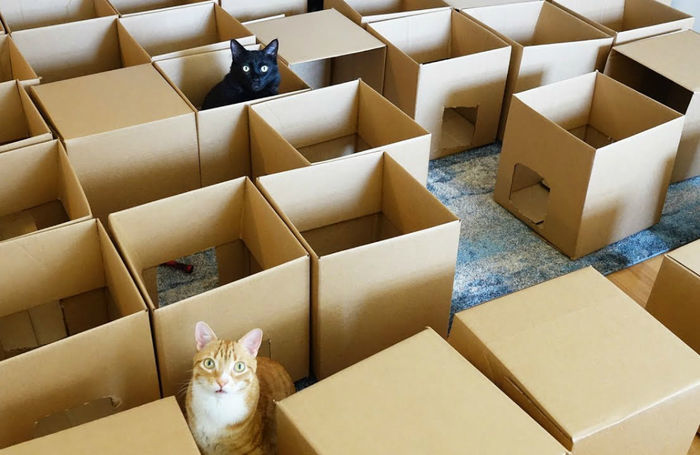
There’ll be enough boxes for everyone, won’t there?
Отрицательные предложения
В отрицательных предложениях после глагола «to be» употребляется либо «not» (когда перед следующим за отрицанием существительным стоит местоимение или числительное), либо «no» (в остальных случаях).
There is not (isn’t) any money in the wallet. — В кошельке нет денег.
There is no money in the wallet. — В кошельке нет денег.
Краткий отрицательный ответ состоит из слова «no», за которым следуют «there» и глагол «to be» в соответствующей форме с отрицательной частицей «not»:
There «aren’t» с «any». Когда мы хотим сказать о нулевом количестве чего-либо, то используем «there aren’t any».
There aren’t any people at the party.
There aren’t any trees in my street.
То же самое касается неисчисляемых существительных:
There isn’t any water in the swimming pool.
There isn’t any sugar in my coffee.
«There» может также использоваться в предложениях, где «be» является вспомогательным глаголом в форме progressive или passive. Обратите внимание на порядок слов:
There have been more Americans killed in road accidents than in all the wars since 1900.
There’ll be somebody meeting you at the airport.
Также конструкцию можно использовать с модальными глаголами:
There must be somebody inside — ring again.
There may be a mistake — check again.
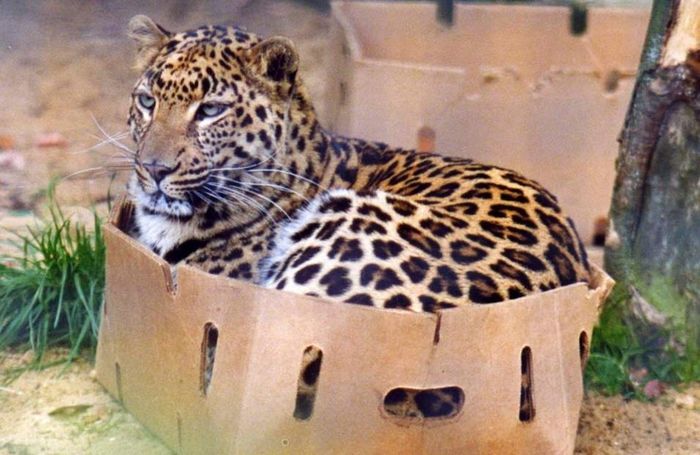
There might be some prey running around — I should be attentive.
На русский язык эта структуру следует также переводить с конца.
Временные формы there + be
А что там насчет других временных форм? Или тут заправляет только Present? Отнюдь!
«There» используется с различными формами «be» в самых разных временах. Употребляйте себе на здоровье!
| Singular countable nouns (apple) Uncountable nouns (blood) | Plural countable nouns (cats) | |
| Affirmative | There is / was / will be an apple on my table. There is/ was / will be (some/much) blood on the floor. | There are / were / will be three (many / a lot of) cats on the couch. |
| Negative | There isn’t / wasn’t / won’t be an apple on my table. There isn’t / wasn’t / won’t be (any/much) blood on the floor. | There aren’t / weren’t / won’t be (any / many / a lot of) cats on the couch. |
| Questions | Is / was there an apple on my table? Will there be an apple on my table? Is / was there (any / some / much) blood on the floor? Will there be (any / some / much) blood on there floor? | Are/were there (any / many / a lot of) cats on the couch? Will there be (any / many / a lot of) cats on the couch? |
| How much / how many | How much blood is / was / will be there? | How many cats are / were / will be there? |
| Short answers | Yes, there is / was / will be. No, there isn’t / wasn’t / won’t be. | Yes, there are / were / will be. No, there aren’t / weren’t / won’t be. |
There were fire-breathing dragons in the streets. (Past Simple)
I think there’ll be loads of people at the festival. (Future Simple)
There haven’t been many entries for the competition. (Present Perfect)
The examination concluded that there had been no ill-treatment during detention. (Past Perfect)
By the time he hopes that there will have been fuller consultation with the human rights bodies. (Future Perfect Continuous).
Cледует обратить внимание, что в вопросе в будущем времени перед «there» ставится «will», а глагол «to be» ставится после него.
Will there be your friends there? – Там будут ваши друзья?
Разница между there is/there are и it/they
Взгляните на следующие предложения. Сперва мы ознакамливаемся с сутью предложения с помощью «there is / there are», а дальше ссылаемся на упомянутое с помощью «it» или «they».
There’s a good movie on channel 2. It starts at 10 o’clock (it = the movie).
There are 3 new students in our class. They’re from Brazil (they = the students).
Конструкции «there is» и «there are» используются только по отношению к новой информации. Если что-либо уже упоминалось в контексте, то тогда следует употреблять «it is» или «they are».
Мы также используем «it» + «to be» + прилагательное + инфинитивные обороты (infinitive clauses). В таких предложениях акцент падает на инфинитивный оборот:
It’s nice to meet you.
It’s hard to hear anything with this noise.
Was it easy to understand him?
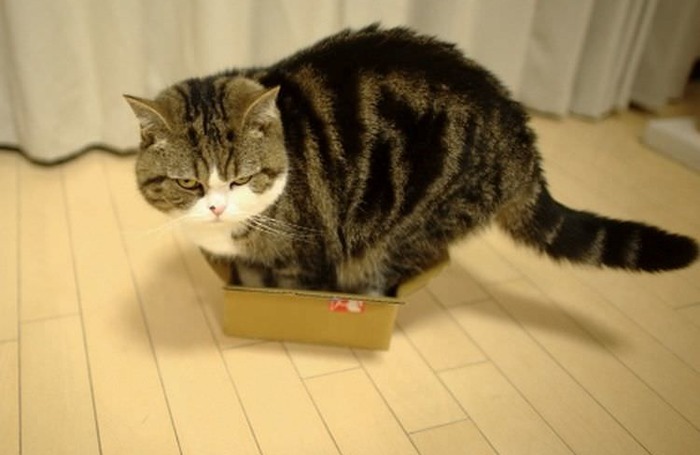
It’ll be difficult to fit into the box.

TОП 10 Книг для чтения на английском
Заключение
Сегодня мы с вами повторили/изучили основные нюансы употребления конструкции «there is» / «there are» в разных временах и типах предложений.
Надеемся, у вас более не возникнет вопросов по данной теме!
Keep going forward like there’s no tomorrow!