аниме арты истории монстров
Аниме арты истории монстров
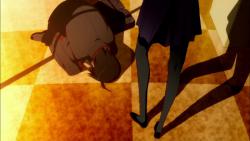
Шел как-то выпускник Коёми Арараги в родной школе по лестнице, думал о своем, и тут, откуда ни возьмись, сверху на него падает красивая девушка. Так как полет ее был долгим, то Коёми успел узнать одноклассницу Хитаги Сэндзёгахара, по жизни нелюдимую и молчаливую. Подставив руки, парень напружинился, думая, что его впечатает в пол, но Хитаги оказалась не тяжелее… школьного учебника. И вскоре Коёми понял, что помалкивает Хитаги не из природной скромности, а потому, что характер больно крутой и резкий, а еще она очень быстро умеет доставать из воздуха колюще-режущие предметы из арсенала школьных канцтоваров.
Но и наш герой оказался не лыком шит. Узнав, что над девушкой подшутил то ли бог, то ли демон, Арараги в свою очередь повинился, что недавно вампиром был, пошаливал, да выручил то ли святой человек, то ли старый хиппи, а звать его Мэмэ Осино. Короче, убедил он девушку, что хуже не будет, а помочь ей могут, и повел ее к отшельнику в гости, на заброшенную стройку. Ведь у героев работа такая – девушкам в беде помогать! А их, девушек, в школе так много…
|


| Герои аниме |
|

| все персонажи |
Дата релиза: 12.08.2009
Треков: 5
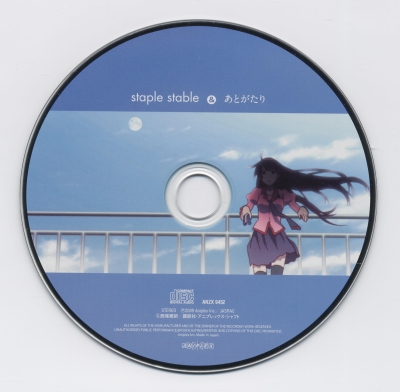
Дата релиза: 30.09.2009
Треков: 2
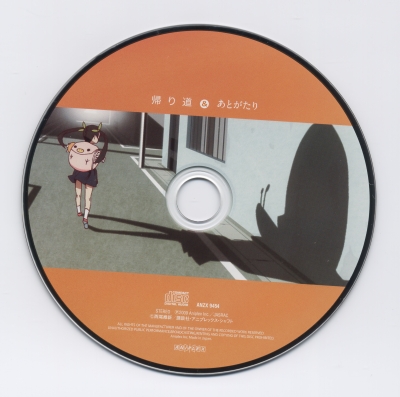
Дата релиза: 28.10.2009
Треков: 2
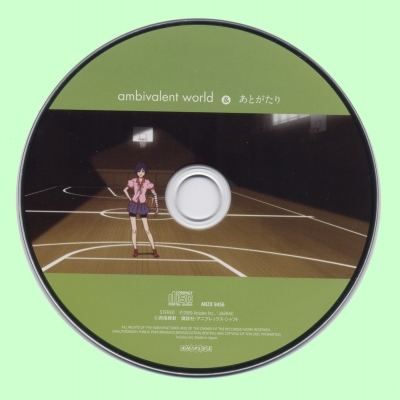
Дата релиза: 25.11.2009
Треков: 2
Дата релиза: 27.01.2010
Треков: 2
Дата релиза: 24.02.2010
Треков: 12
Дата релиза: 28.07.2010
Треков: 10


| +235 |  | Если Вы считаете этот комментарий полезным, то проголосуйте за него. |
Если «Истории монстров» вдруг покинут «двадцатку» – придется окончательно разочароваться в человечестве. (Есть еще вариант, про появление 20 новых шедевров, но – тьфу-тьфу-тьфу через левое плечо – не сглазить бы! ). В состоянии «Bakemonogatari-нирвана» пробыл до двух часов ночи – смотрел не отрываясь. Ни разу (ни разу! ), даже на оппенингах, не нажимал на кнопку прокрутки!
И – мне опять повезло (как месяц назад – с «Восточным Эдемом») – к моменту просмотра, все серии «Истории монстров» (ну, кроме «спешиалов») уже были переведены и очень хорошо озвучены замечательными российскими сэйю – госпожой Noir и господином Alukart.
Человечество просто обязано по достоинству оценить новый шедевр от студии SHAFT вообще и от Симбо Акиюки в частности. Именно после этого фильма появится непреодолимое желание посмотреть и все остальные фильмы Симбо Акиюки (в основном – «про унылого учителя»). И эти фильмы просто обязаны быть шедеврами (что-то много обязанностей в одном абзаце. ) – Noblis oblige!
В «Истории монстров» все – гениально. Не «все», а «ВСЕ»! А то, что негениально, парадоксальным образом все равно «работает» на общую гениальность. О, как! И должен заметить – в моих глазах теперь этот шедевр затмевает другую гениальную работу текущего года – «Восточный Эдем».
Но это все беспорядочные эмоции и яркие ощущения. Постараемся же успокоиться и посмотреть хладнокровно (настолько, насколько это возможно спустя лишь сутки после просмотра).
Музыка и звуковой ряд. Временами сюжетом управляла музыка и шум. Паузы в нужных местах, клавишный перелив фортепьяно во время диалогов, одинокая клавиша в напряженный момент. Сделано так, что – мурашки по коже.
Юмор. Позвольте процитировать лишь один маленький эпизод, а выводы вы сделаете сами:
— У меня украли мое первое полапывание!
— «Полапывание»?? Это как?
— Более того – меня облапали прежде, чем поцеловали!
— Э-э-э.
— К тому же это сделал девственник! Меня облапал девственник! Все! Я обесчещена!
| +77 | | Если Вы считаете этот комментарий полезным, то проголосуйте за него. |
Исключительное аниме! Оно настолько многогранно, что поневоле вызывает восторг после просмотра. И правда, сколько тут жанров вплетено, но как же это ювелирно сделано. Сериал смотрится гармонично, уже с первой серии он захватывает зрителя в свой круговорот и не отпускает до самого конца первого сезона.
Итак, постараюсь рассказать о достоинствах данного аниме в порядке их значимости.
Естественно, на первом месте, главная героиня – Сенджогахара Хтаги-сама. Она сама так себя и называет: «таких персонажей, как я, обычно характеризуют как цундэрэ». Действительно, эта симпатичная девушка с характерной для этого типа героинь фигурой, покорила меня в течение 1 минуты. У Сенджогахары быстрый ум, острый язык, она исполнена гордостью, при этом она демонстрирует истинное чувство любви. Без соплей и трагедий, но с Аким вкусом, что трогает это во много раз сильнее. И все эти качества героини были не просто смешаны, а составлены с таким искусством, что, поневоли, понимаешь – родилась новая звезда аниме.
На втором месте, отношения главных героев. Конечно, сразу отмечаем Арараги Коёми. По всем законам аниме, парень этот должен быть либо слюнтяем, либо тупым, либо принцем с легендарной катаной. Но ведь это Бакемонгатари. Парень вышел совершенно обыкновенным троечником. Ну и что, что он немного вампир, ну и что, что он связан немного с нечестью. Он просто парень с сердцем Будды, но с разумом старшеклассника. Он спас Хитаги, а та его за это полюбила. Парень совсем не задумывался о «награде», когда спасал. Но когда такая красивая девушка предлагает встречаться, то зачем отказываться. А ведь по всем законам гарема, парень должен был упрямиться. Естественно, что ведущая роль в отношениях у Сенджогахары. Она регулярно издевается над своим возлюбленным, однако Арараги-кун не очень переживает в этой связи, он воспринимает едкую иронию в свою сторону с буддийской спокойностью. Воистину, он принимает свою девушку такой, какая она есть. Он не выглядит неудачником. Сенджогахара же, несмотря на весь свой сарказм, истинно любит Арараги. Она из тех, кто ни с кем, никогда не расстовалась. Она отдает Арараги все, что у нее есть, и это чувство прекрасно. Я считают, что тандем Арараги и Сенджогахара – есть пример для всех пар в мире романтики аниме. Их отношения смотрятся искренне.
На третьем месте, сюжет и атмосфера. Сюжет построен арками. Фактически, каждая арка – это отдельная история. В сюжете много диалогов, но не так много действий. Однако если действие появляется, то оно захватывающие и стремительное. Атмосфера же действительно близка к унылому сенсею или к панипонидаш. Но это скорее визуально, по восприятию же это нечто совершенно новое. Психоделичность сериала тут не является столь уж навязчивой, она вплетена со вкусом и строгой дозировкой. Над сюжетом авторы действительно сильно поработали. Даже та деталь, что в конце Сенджогахара пропадает на 2 серии, является намеренным ходом авторов нацеленным на то, что бы подразнить зрителя. И главное – диалоги, абсолютно все диалоги персонажей наполнены не только смыслом, но и тонким юмором, без купюр и штампов. Именно из-за этого Истории монстром будет интересно пересматривать и пересматривать. Ведь все штаммы мы видим в каждом новом аниме, а Бакемонгатари в своем роде уникально.
И наконец, последняя серия. Что бы не спойлить, скажу одно. Такого искреннего, реалистичного, абсурдного и трогательного свидания и признания в любви вы не видели.
Как итог, я жду продолжения и советую всем смотреть этот сериал. Желательно не спеша, по арке в день. Так вы получите еще больше удовольствия от просмотра.
| +57 | | Если Вы считаете этот комментарий полезным, то проголосуйте за него. |
Для тех, кто еще сомневается в том что это не очередной гаремник с тупыми героями приведу небольшой диалог. Между ГлавГероем И ГлавГероиней в одной из последних серий. Его уже кто-то приводил, но этот диалог действительно явно отображает и отношения героев, и переходы (здесь они не столь явны, правда) от серьезного к несерьезному.
| +40 | | Если Вы считаете этот комментарий полезным, то проголосуйте за него. |
| +35 | | Если Вы считаете этот комментарий полезным, то проголосуйте за него. |
Аниме арты истории монстров
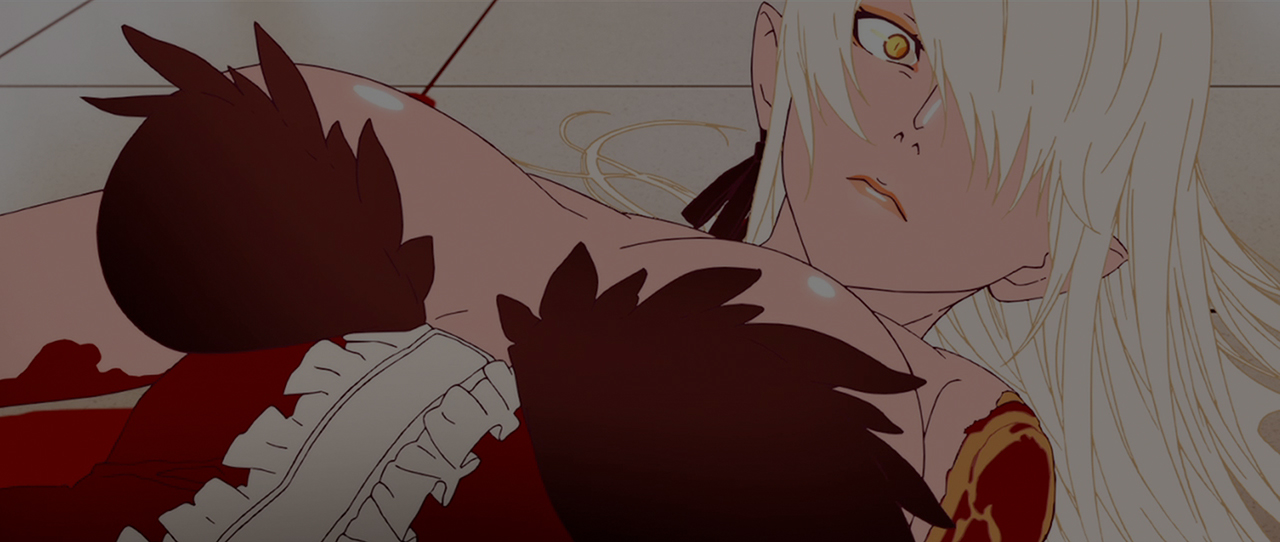
Старшеклассник Коёми Арараги считал себя непонятым и нелюдимым, фактически одиноким волком, а в душе все равно оставался обычным японским школьником с мечтами о приключениях, добре и справедливости. Иначе зачем он полез бы темной ночью в пустынные глубины метро, повинуясь лишь зову души? Обнаружив там прекрасную блондинку-вампиршу, лежащую в луже собственной крови, Коёми, конечно же, думал недолго и спас новую знакомую, став при этом новообращенным вампиром и ее верным слугой.
Увы, крови парня оказалось мало для полноценного возрождения, и вампирша с длинным именем (для краткости просто Киссшот), превратившись в милашку-лоли, поставила миньону задачу – вернуть ее конечности, унесенные победителями-охотниками. А как вернуть, если у бессмертной нет сил, а сам Арараги тем монстрам на один зуб? Ничего, была бы проблема, а специалисты найдутся, даже если они похожи на стареющих хиппи и живут Будда знает где. Вот только каникулы скоро кончатся, а под солнцем в школу ходить неудобно будет!
|



| Герои аниме |
|
|
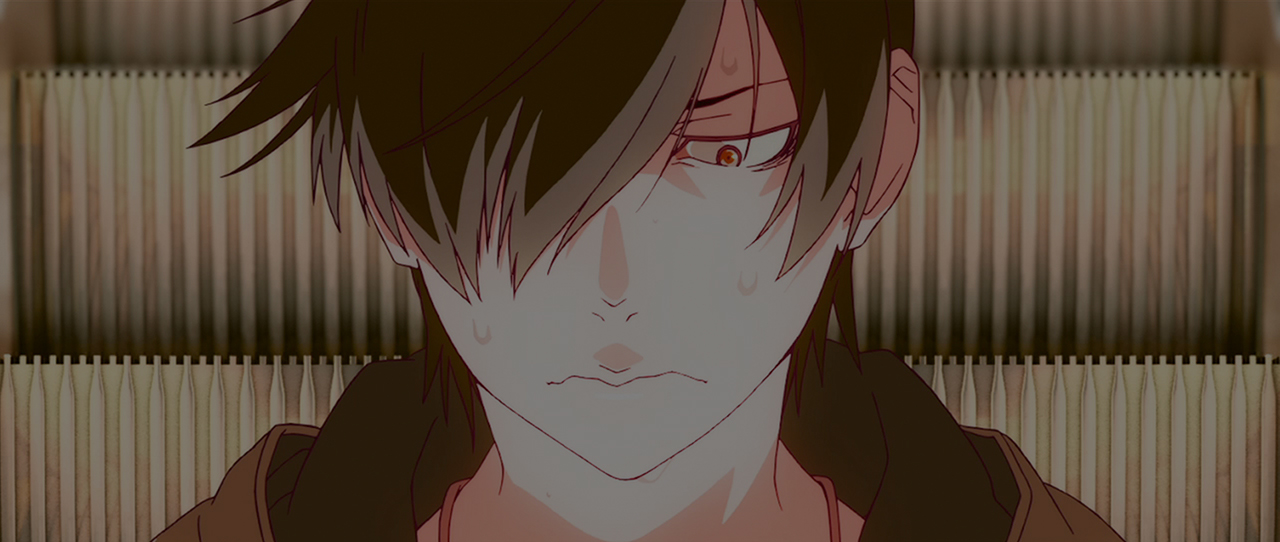
| все персонажи |
Это безусловно совершенно иной уровень визуального оформления! Тот самый случай, когда отчетливо осознаешь, что на полнометражную экранизацию для показа в кинотеатрах по всей стране денег не жалеют.
Чтобы описать всю красоту и великолепие увиденного у меня просто не хватает слов. Это было восхитительно. «Водичка» получилась просто божественно. И столь любимые мной символы тоже никуда не делись. Впрочем мои диферамбы выглядят довольно пафосно. Ведь это же маэстро Симбо! Иначе и быть не могло!
С нетерпением сродни жажде изголодавшегося вампира жду продолжения!
| +36 | | Если Вы считаете этот комментарий полезным, то проголосуйте за него. |
И вот спустя полгода после своего выхода третий и последний фильм наконец доступен бака-гайдзинам! Теперь можно выразить и свои впечатления о данном творении.
Дуэт Симбо Акиюки и Нисио Исина радует нас уже много лет своими историями. При этом популярность похоже не падает, и товарищи тормозить не собираются – после финальных историй идут финальные истории-2 (и не факт, что последние :), а попутно гении ещё работают над “Kubikiri Cycle” – также замечательным, на мой взгляд, анимэ.
——————————
История ран – долгожданная предыстория всего. Я не знаком с ранобэ, а потому про Кизумоногатари знал только из флэшбэков самих анимэ моногатарей. Там типа должно быть что-то про первую встречу с Кисшот и каких-то охотников…
Ну да, типа это и есть. Только вот впечатление от анимэ выразить оказалось не так-то просто. Но обо всём по порядку…
Во-первых, охотники получились немножко не в тему данного анимэ. Действовали крайне нелогично, и все дела с ними начинаются и заканчиваются во второй части. Что же тогда в остальных фильмах? Да вот ̶б̶е̶с̶с̶м̶ы̶с̶л̶е̶н̶н̶о̶е̶ ̶р̶а̶с̶т̶я̶г̶и̶в̶а̶н̶и̶е̶ ̶и̶ ̶в̶с̶я̶к̶а̶я̶ ̶ч̶у̶ш̶ь̶ приключения Арараги по бесконечной лестнице, жалкие, но многочисленные попытки обесчестить Ханакаву, ну и, конечно же, диалоги и ещё раз диалоги!
Зубодробительная графика несомненно вытягивает данные полнометражки до высокого уровня. Более того я уверен, что ничего круче никогда не видел! Одно дело чистое 3DCG в Kingsglaive божественного уровня, другое дело анимэшная 2D графика, когда сам не можешь разобрать сделано ли это золотыми руками, либо компы уже могут такое? В любом случае за подобным будущее, мне кажется.
Об экшене в истории ран также можно сказать пару ласковых – дело даже не в том, что он просто хорош или же эпичен, а в том, что он безумен. Совершенно невозможно угадать, что случится в следующую секунду, поскольку отсутствуют всякие ограничения на адекватность происходящего! И это удивляет и впечатляет!
А вот с героями не всё так идеально.
Лично у меня осталось ощущение, что в сабже попытались удовлетворить желания той аудитории, которых не устраивала Сендзёгахара. Я вот тоже её не люблю. Всё-таки в моногатарях с самого начала Арараги крепко связан с ней, а умная и красивая Ханекава, как бы, не при делах. Была, конечно, История кошки, но её мало! Затея мне понравилась, только вот я не понял, зачем при этом нужно было менять характер самой Ханекавы…?
С Кисшот, кстати, всё хорошо, не считая того, что она стареет не по дням, а по часам. Но благодаря этому предстаёт в образах, удовлетворяющих всем видам фантазий – от лоликонщиков до любителей больших и зрелых арбузов. Фансервис с ней местами выглядел прям очень красиво, тут только плюс.
Другое дело товарищ ГГ. Как был символом альтруизма, так и остался. Как отсутствовал у него инстинкт самосохранения, так и отсутствует. А вот жалкие попытки облапать Ханекаву ничего, кроме фейспалма не вызывали. В ‘подделках’ он был поуверенней, а тут совсем тряпка. 🙂 Инстинкт самосохранения, кстати, полностью отсутствует и у недо-Ханекавы. Девочке доходчиво поясняли, что лучше держаться подальше, даже кишочки вытащили наружу весьма поучительно, а она всё равно лезет. Мечтает стать кормом для вампира в прямом смысле. Приключения суицидников, что тут сказать…
Вот посмотрите на Драматурга! Гора мышц, прям сбежавший Геркулес из фейта. А как засадили металлическим шариком в глаз, так сразу засцал. Вот! Адекватный герой! Жаль, что не главный…
Я пытался быть объективным, но по отношению к Кизумоногатари это вообще-то неправильно. Данные полнометражки ОЧЕНЬ стараются удивить. И у них это получается. Как? Шок-факторами, конечно же! Чем ещё в наше время можно впечатлить привередливого зрителя? И такое вот я не умею оценивать объективно, потому просто немного поясню суть.
Персонажи персонажами, но на издевательствах с ихними характерами нормальных шок-факторов не сделать. А вот гуру – то, что надо.
Оторванные конечности, килолитры крови, кишочки, лоботомия, летающие головы, людоедство, содранная кожа с лица – всё это применяется иногда совершенно внезапно или даже в шутливой (! ) форме. Забавно, не правда ли? Психоделизм! Может авторы хотели сделать что-то типа Том и Джери для 18+. Только мне было почему-то не смешно. Прочитав это и будучи готовыми, вы удивитесь лишь наполовину от происходящего на экране, но вот у неподготовленного меня периодически лезли глаза из орбит…
Как мне кажется, многие при просмотре будут страдать приступом фейспалма, у других просто отвалится челюсть, третьи, дойдя до момента метания огрызка тела Кисшот в первой серии, сразу же удалят этот шедевр навсегда со своего компа (сочувствую тем, кто будет смотреть в компании без возможности остановить происходящее на экране :). Тем не менее все, как минимум, будут удивлены увиденным! ^_^
| +11 | | Если Вы считаете этот комментарий полезным, то проголосуйте за него. |
В общем что-то я не понял, что я посмотрел. В оригинальной моногатари были яркие эффектные необычные кадры и шикарная музыка. Здесь этого нет.
А есть очень сомнительный визуальный стиль, реально крайне сомнительный, весьма затянутые сцены и глупо прыгающая Ханекава. Да да, идти по пятнам крови несколько минут, а потом показать черный кадр, а потом глаз и наконец саму сцену, хотя в печатном варианте это все укладывается в пару тройку строк, это как бы «норма». Сестер Ары куда-то вырезали, очевидно, чтобы было чем заинтересовать в следующих частях этого нелепия.
Смотреть дальше буду, но из-за уважения к предыдущим частям и из-за чувства незавершенности. Тем, кто не знаком с моногатарями, рекомендую пропускать эту непонятную штуку, не задумываясь.
Bakemonogatari
Alternative Titles
Information
Statistics
External Links
Synopsis
Koyomi Araragi, a third-year high school student, manages to survive a vampire attack with the help of Meme Oshino, a strange man residing in an abandoned building. Though being saved from vampirism and now a human again, several side effects such as superhuman healing abilities and enhanced vision still remain. Regardless, Araragi tries to live the life of a normal student, with the help of his friend and the class president, Tsubasa Hanekawa.
When fellow classmate Hitagi Senjougahara falls down the stairs and is caught by Araragi, the boy realizes that the girl is unnaturally weightless. Despite Senjougahara’s protests, Araragi insists he help her, deciding to enlist the aid of Oshino, the very man who had once helped him with his own predicament.
Through several tales involving demons and gods, Bakemonogatari follows Araragi as he attempts to help those who suffer from supernatural maladies.
[Written by MAL Rewrite]
Background


Related Anime
Characters & Voice Actors

Senjougahara, Hitagi


Araragi, Koyomi


Hanekawa, Tsubasa


Hachikuji, Mayoi


Kanbaru, Suruga


Sengoku, Nadeko


Oshino, Shinobu

Oshino, Meme


Araragi, Karen


Araragi, Tsukihi

Staff


Opening Theme
Ending Theme
Reviews

| Overall | 10 |
| Story | 9 |
| Animation | 9 |
| Sound | 10 |
| Character | 10 |
| Enjoyment | 10 |
«To be blunt, I just enjoy talking to you. so I want to talk with you more.»
«If our opinions clash, let’s talk it over.» (Dialogue from episode 5)
‘Bakemonogatari’, cleverly translated as ‘Ghostory’ or ‘Monstory’, is about five not-so-normal girls that Araragi Koyomi, a vampire himself, encounters and attempt to save from oddities possessing them.
CHARACTER:
The main characters of ‘Bakemonogatari’ are among the most unique and complex I have yet to encounter.
Heroine Senjougahara Hitagi is a tsundere like half of all modern heroines in anime, but she is also 「ドS」, a sadist to an extreme degree, which is more common for side characters and rare for heroines. Our protagonist, as expected, is rather on the masochist side who takes constant verbal abuse from Senjougahara.
What makes the couple extraordinary, is that Senjougahara is often boke while Araragi is tsukkomi. Traditional Japanese stand-up comedy consists of a duo: One takes the «boke» role who says something stupid while the «tsukommi» role points out the flaws in boke’s argument, often with a violent slap in the head.
Yes, that’s right. Boke is masochist by nature and often not very intelligent, while tsukommi is sadist by nature and often more observant.
The leading couple in this series, on the other hand, take turns with the roles. It is particularly interesting when the sadist and intelligent Senjougahara purposefully take on the boke role and overwhelms tsukkomi. Such as making insulting statements that sound flawed, but when Araragi tries to make a comeback, he realizes what she said was true. Or Senjougahara makes a blatantly flawed statement just to hurt Araragi, and his comeback fall into deaf ears. And of course, plenty of intentional boke or tease spoken with so much authority that Araragi just gives up and let it slide.
The unlikely toggling of comedy roles were delivered extremely well, and this back and forth interaction between the leading couple is a key part of this show’s appeal.
The remaining four main characters are not as complex as the leading couple, but they all have their own unique issues that drive the story,each with distinct personalities that made them memorable.
There are 6 main characters in this series, and total of only 5 side/peripheral characters (Meme, Shinobu, two sisters, and Senjougahara’s father) in the whole series. The limited character headcount made thorough character development possible despite being an arc-based series.
STORY:
Simply put, half the show is about the romantic relationship between the Senjougahara and Araragi.
The other half is about a constant argument between two values: The rational vs the idealistic, with Araragi as Mr. Nice Guy seeking happy end for everyone. Solution of supernatural oddities as the topic of the argument.
Hachikuji, Kanbaru, and Hanekawa’s arcs developed the relationship of leading couple while offering new topics to the story.
The only flaw in the story in my opinion, is that Sengoku’s arc was pretty much by itself, and contributed very little to the whole series other than loli and moe fan service.
Each arc is an incident focusing on a different girl, but all the arcs combine to show a whole picture of Araragi and Senjougahara closing their personal distances.
«Bakemonogatari» is essentially a verbal performance with visual support. Story is driven by back and forth debate on various issues.
SOUND:
With verbal performance playing such a big role in this show, voice acting is taken to a whole new level in this series.
Every characters’ voices fit perfectly, and not only that, distinct tones and nuance of speech establish unique impressions for every single character. The characters speak so fast in this series with lots of tongue twisters, but the seiyuu cast had done a wonderful job in keeping up. I don’t think it’s an exaggeration to describe voice acting in this series as epic.
Music score in ‘Bakemonogatari’ has a generally consistent ambient feel to it with a nice flow. Other than intense music for action scenes, they don’t particularly set the mood or enhance drama as what I usually consider to be strong BGM for anime, but the usually upbeat sounds in the background set the quick pace for dialogue, and make conversations all the more engaging.
OP song «Staple Stable» is one of the best anime opening theme song by a seiyuu, ever. Really memorable tune accompanied by great vocal and lyric by meg rock was simply amazing.
The other four OPs sang by seiyuu of each arc heroines were nowhere as impressive as «Staple Stable», but offers refreshment value to the OPs, and fits each character perfectly.
ED song’s lyric made little sense at first, but its meaning was unveiled in a conversation between the leading couple in a certain episode, and it turned out to very suitable for the series. The two Senjougahara theme songs (OP1, ED) were masterpieces.
ART:
Animation in ‘Bakemonogatari’ mainly serve as a visual aid to the verbal performance, and it proved to be very effective.
Visuals for the anime got somewhat of an «art house film» treatment. There were many abstract and surreal scenes, unconventional cuts, and intriguing camera angles that made the viewing experience very pleasant. It’s the perfected form of SHAFT’s signature style.
Character designs were attractive, and main characters had visually shown a wide range of emotion that further portrays the character’s state of mind.
The only complaint I have with the animation is the use of photographs/videos of real-life imagery. At the risk of sounding like a super-otaku, I would say 3D images do not belong in the world of 2D.
ENJOYMENT:
As a fansubber and having seen thousands of hours of fan/professionally translated works, I can tell you that at least 10% of the meaning is lost in translation, no matter how well translated. In conversation/narration driven series filled with wordplay and metaphors, at least 20% of the meaning, therefore enjoyability, will inevitably be lost to non-Japanese speakers.
Still, ‘Bakemonogatari’ is a true masterpiece with experimental production that actually worked. Attention was paid to the tiniest details, and a story well-told. Truly amazing direction by Shinbou Akiyuki left us with so many memorable scenes, and this will definitely be a series to be remembered.
The 8-month wait for the final three episodes were excruciating, but the ending was so satisfying that it almost made it worth the absurd wait. Given the commercial success ‘Bakemonogatari’ has achieved, I will be hoping for the remaining novels in the series to be animated. Possibly ‘Kizumonogatari’ OVA/film and ‘Nisemonogatari’ as a sequel season.
To be blunt, I just enjoyed listening to them. so I want to listen to them more.

| Overall | 3 |
| Story | 6 |
| Animation | 8 |
| Sound | 6 |
| Character | 5 |
| Enjoyment | 3 |
THIS REVIEW IS FOR ALL SEASONS, AS SUCH, IT CONTAINS SPOILERS
Monogatari takes place in a city populated by about 20 people, cardboard cutouts, and kanji characters, and follows the story of Koyomi Araragi as he meets girls who have supernatural oddity-related issues in their lives and tries to help them.
I am not a fan of the Monogatari anime, but I will get into why later in this review.
The characters are all pretty much what you’d expect from a harem anime. There’s the selfless main character, the Tsundere girlfriend, the shy Moe girl who turns out to actually be psycho and manipulative, the smart girl who wears glasses (for a brief time anyway), the little sister(s), the athletic girl, the lesbian, etc.
However, most of them are written with more nuance than what you’d expect, as in, they get backstories, but on a basic level, I don’t feel like it’s any deeper than the character backstories from any other anime. But they do have a bit more depth than what you’d expect from a harem show, meaning they are not in a round-the-clock quest for the main character’s dick. I’m not a fan of the characters (except for Kaiki Deishuu and maybe Meme Oshino), and don’t think they’re very noteworthy, but I do give the writer credit for that.
The dialogue is also the same as what you’d expect from an anime. Talking about motivations, delivering exposition, and bantering whenever there’s nothing going on. The difference is that most the show is just that, talking, with nothing else going on. However, I don’t have that much of a problem with that aspect and some of the dialogue is occasionally funny. Nevertheless, even then, the dialogue often tends to go in circles and isn’t strong enough to carry the whole show in my opinion, but more on that later.
When it comes to the story, however, a lot of the story arcs start out with potential, but then they end up focusing more on the dialogue rather than doing something interesting with the premise, and then end unmemorably.
In my opinion, the biggest example of this is in Monogatari Second Season’s Mayoi Jiangshi arc. In that arc, Koyomi time travels and prevents something from occurring in the show’s backstory. Because of this change he made, a character was unable to help him during the events of a previous story arc in this alternate timeline, which leads to the extinction of humanity via a vampire zombie invasion. I was genuinely pleasantly surprised at the premise of this story arc because it gave new meaning and importance to previous arcs and character interactions. But guess how the story arc plays out. Lots of talking, of course.
Surprisingly enough, despite the first scene of this show being a 15-20 second-long panty shot, there isn’t actually all that much fanservice. However, when there is, it’s rather unappealing.
Two running gags with Koyomi include going out and molesting Mayoi, who is 11, and planning on tricking his little sisters into being molested by him, and he suffers no real comeuppance for it. I’d say it’s refreshing to have a subversion as a change of pace from the typical harem humor where the main character does something perverted by accident and gets beaten up for it, but I don’t think child molestation or incest are funny.
That’s not to mention the rape snake from the Nadeko Snake arc, and two extended scenes from Nisemonogatari, in which Shinobu, who is over 400 years old but is physically 8, bathes with Koyomi, as well as the infamous scene where he brushes his little sister’s teeth and it looks like they’re having oral. I have read an essay analyzing the fanservice in Nise, of all things, and apparently it’s supposed to represent teenage sexuality, or how the girls want to be seen by Koyomi. Okay, but that doesn’t mean that I have to feel it’s worth waxing philosophical about this aspect. Might as well apply that same logic to every ecchi harem out there.
The biggest problem I have with Monogatari, however, isn’t intrinsic to the series in general, since I’ve read some of the light novels and think they’re okay, despite having these flaws.
The animation looks nice and clean (despite the obvious low budget resulting in all these still frames), however, it is also its biggest flaw (besides the fanservice).
Shaft has been using the same visuals for every Shinbo-directed show for several years (10-11 years as of the time of this review), but I feel that when making Monogatari, they rely on their visuals too much.
A lot of the time, during the dialogue scenes in Monogatari, they keep cutting to Dadaist visuals, text screens, weird camera angles, and extreme closeups, which wouldn’t be a problem, except that they focus on them for so long and so often, that it detracts from the experience. They go too overboard with those and fail to build up a good momentum for the pacing.
I don’t judge a show based on the animation, as long as I’m interested in the story and the characters, but this is one case where I have the opinion that it detracts from everything else. In this case, I feel like the animation department is too busy showing off what I already know that they can do while not advancing the story in a significant measure in each episode with little pay-off, and that aspect is what I actually care about in a show. I’ve already seen this exact same type of animation in multiple other Shaft shows previously, so it doesn’t do anything for me anymore, I’m not going to give it extra points.
Imagine if someone made an adaptation of a book, and instead of adapting the events of the book in a visual format, the adaptation entirely consisted of watching some guy sitting there, reading the book out loud. That’s what watching Monogatari feels like.
In conclusion, I think that the Monogatari light novels are okay despite their flaws, but that Shaft’s direction makes the anime boring to watch, and that I would have likely enjoyed the show more if it was made by another studio, or if Shaft hadn’t gone so overboard with the animation to the extent that it detracts from everything else. The only reason I continue to watch it is just because I’m waiting for the moment where it finally lives up to its potential.
Monogatari is a love-it-or-hate-it show, watch it if you want, maybe you’ll like it, but if you end up not liking it, I recommend watching Monster or Mushishi as preferable alternatives.

| Overall | 10 |
| Story | 10 |
| Animation | 10 |
| Sound | 10 |
| Character | 10 |
| Enjoyment | 10 |
For every medium, there are few masterpieces that transcend the genre and become something special. Since I consider anime, as a genre, to be just as legitimate an art form (despite the bad rep it often gets), I will also review Bakemonogatari as a work of art, and it is irrefutably one of the special few anime series that fully capitalize on the strengths of the anime medium.
STORY
People have complained that the story is too episodic, too disjointed. However, the virtue of Bakemonogatari’s storyline is that it is so minimal. In all senses, this anime is a character-based experimental, and an elaborate storyline would actually detract from that experience. There are plenty of anime out there that thrive on plot twists and progression that keep the viewer on their seats, but Bakemonogatari isn’t one. The episodic storyline is a brilliant framing device for character development and nothing more, which works out perfectly for this particular anime.
ART
As usual Studio SHAFT splurged on art. This is definitely a series to be enjoyed in high-definition, preferably with the room lights turned off. Anime, by definition, is a genre segregated from realism. The beauty of anime as a medium is that every cut is animated, so that the blemishes, imperfections, and limitations of reality can be omitted in favor of stylized, beautified perfection. Anime art style that attempts to be too realistic are bound to lose that edge and, naturally, pale in comparison to live-action works featuring comparable visuals. Anime that go all in on stylizing can often seem distracting and too detached from reality. With all of that in consideration, Bakemonogatari is one of the few shining masterpieces of the anime genre that hits the sweet spot. Everything in this anime is crisp and beautiful, from the characters to the slightest scenery detail. What would have seemed tacky when drawn are boldly stylized and symbolized, rather than allowed to compromise the atmosphere. For example, people have complained about the cuts to photographs and abstract diagrams that pop up frequently. But imagine if all of those were actually animated; it would have been clunky and distracting from the dialog. For example, Senjougahara’s mother isn’t a character in this anime, therefore having an designed, animated character to her credit would distract from the very small and tight cast. I don’t know how much budget went into this production, but they sure splurged where it was needed (characters, scenery-porn sequences, pivotal action sequences) and were decisive in radically minimizing what would have been superfluous.
SOUND
There is quite a rave about Kimi no Shiranai Monogatari and Staple Stable, and they are indeed catchy and appropriate opening/ending. Much more underrated are the mundane, ambient sound design of this anime. Just as Bakemonogatari should ideally be viewed in high-quality settings, so it should be heard with at least «nice» audio. Perhaps I had the fortune/misfortune of being an impeccable audiophile and watched the series with headphones that cost me half a fortune, but everyone should at least watch Bakemonogatari with real speakers or decent headphones. This is a series that can only be fully appreciated when the viewer is immersed in it, and laptop speakers simply won’t do.
Having said all of that, the non-intrusive BGM and ambient sounds do a perfect job of accentuating the dialog/situation without, again, distracting from what is really important. Perhaps the best example is in the TV finale, where the BGM swells and fades without the viewers really noticing because they are so perfectly integrated with the ebb and flow of verbal/situational push and pull between the two leads.
The voice acting, without even the need to elaborate, are top-mark. The seiyuu for Koyomi is appropriately serious, jocular, and reflective. I especially enjoyed the sequences and inserts in which Koyomi is thinking selfish/perverted/silly thoughts. Excellent sound designing makes it sound like Koyomi’s voice is really ringing inside my head, adding to the effect and how identifiable his character is. Voice acting for Senjougahara seemed a bit too fragile and breathy at first, but it was revealed to be not the fault of the seiyuu, but part of character development, but more on that will border on spoiling. Let me just add that voice acting for both leads hit the sweet spot at least by the TV finale.
CHARACTER
All of the other elements, story, art, and sound, up to now were accompaniments to the brilliant characters of Bakemonogatari. If those elements had their virtue in garnishing the backgrounds of this anime, the characters’ virtue lie in their shocking assertiveness and charisma.
ENJOYMENT
This is the one category where I admit that the 10/10 is highly subjective. Objectively, Bakemonogatari is a top-quality art form, and I firmly believe that high-profile artists, filmmakers, etc. would appreciate that Bakemonogatari is the epitome of modern anime counterculture (Suzumiya Haruhi being the mainstream crystallization of modern anime). However, you have to be looking for the right thing to enjoy this anime. If the anime you typically enjoy are Naruto, TTGL, etc. (not that they aren’t fantastic either), Bakemonogatari is perhaps not for you. This series is really for people who have watched a lot of anime, perhaps even an otaku, and were drawn to the more sophisticated, post-modern aspect of the genre as a whole. It is, in a way, analogous to how Mozart is universally loved (for a good reason!), while composers like Hindemith appeal strongly to those who have developed a taste in classical music. I personally pick this series as the number one anime of all time (along with NGE) because it had all I was looking for: deep, subtle characters, platonic romance, somewhat surreal atmosphere, idealization only possible in anime, wit, and that pinch of sociopathy shown in each character, as are present in every human being. There isn’t one thing about this anime that is the «hook» (though, if I had to pick one, I’d go with SENJOUGAHARA FASCINATION). Rather, every aspect of it plays its role perfectly to create a gestalt whole. Oh, and by the way, if you’re like me and are desperately looking for non-moe, non-loli (getting harder and harder to find) anime made in 21st century, welcome to Bakemonogatari. This series is for mature viewers looking for a subtle, yet decisively anime experience.
Overall, if you think yourself the discriminating, intellectual beta-component of modern society (who also happens to watch anime), you will love this series. It’s a love or hate type of anime, in my opinion, and if you are the type of person this show caters to, you will come to thoroughly appreciate every aspect of the show, besides just Senjougahara. If you’re not, that doesn’t mean you’re not as cultured or some nonsense; just need to find your anime masterpiece, as I found Bakemonogatari.